

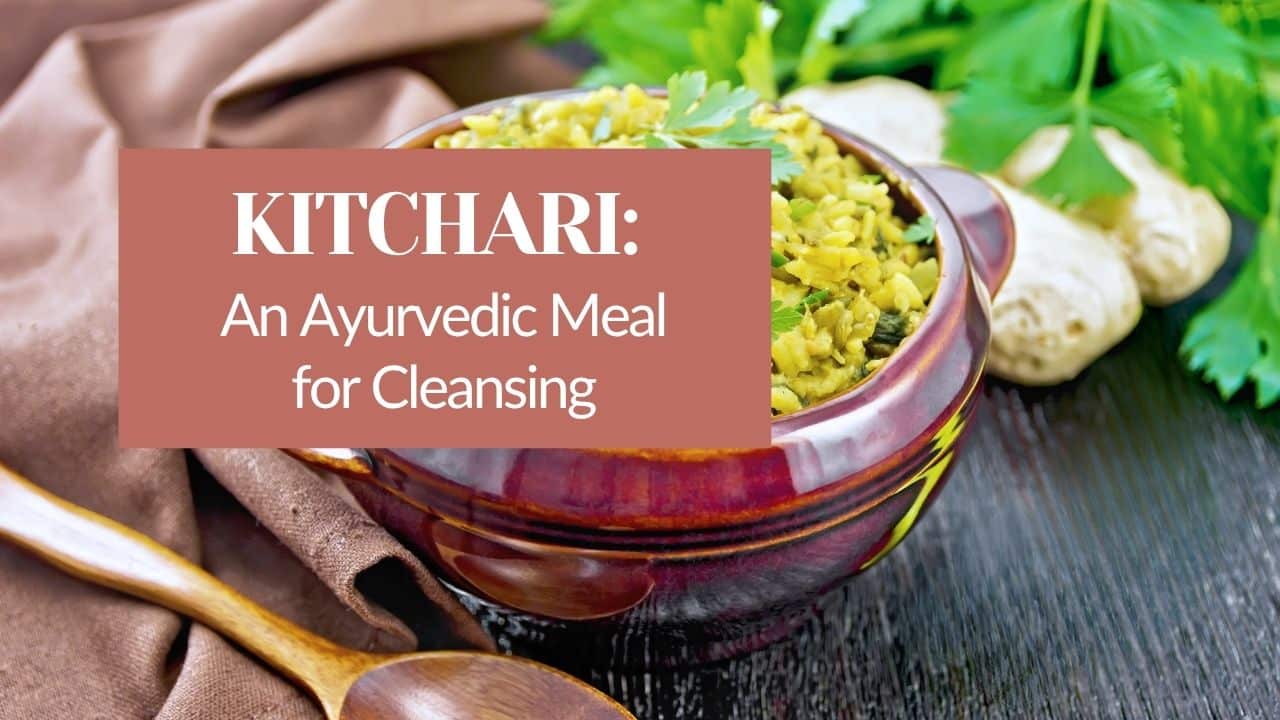
Kitchari is one of Ayurveda’s most beloved dishes, a simple preparation that nourishes body, mind, and spirit. In Sanskrit, kitchari means “mixture,” usually referring to a combination of basmati rice and yellow mung dal. This humble one-pot dish has been used for centuries as a cleansing and healing food, offering balance, rest, and renewal for the digestive system.
The Role of Kitchari in Cleansing
Ayurveda teaches that health begins with digestion. When the digestive fire, agni, is strong, food is assimilated properly and nourishes the tissues. When agni is weak or disturbed, toxins (ama) can accumulate and give rise to imbalance and disease. A kitchari cleanse, often practiced as a short mono-diet, gives the digestive system a much needed rest. By focusing on one simple, complete meal, the body conserves energy that would otherwise be spent on complex digestion. This energy can then be redirected toward healing, detoxification, and rejuvenation. Kitchari gently cleanses without depleting, making it an ideal meal during seasonal transitions, times of stress, or after indulgence.
Balancing the Doshas
One of the unique strengths of kitchari is its tridoshic nature. It balances all three doshas: vata, pitta, and kapha. The balance of spices such as ginger, cumin, coriander, fennel, turmeric, and hing (asafoetida) work together to stimulate agni while calming excesses. A pinch of salt and black pepper can be added to enhance flavor and support digestion.
Mung dal, the heart of kitchari, is particularly cleansing. Its astringent quality creates a gentle “pulling” action in the intestines, helping remove toxins from the lining of the gut. It is also high in fiber, aiding elimination, and supporting the natural detoxification process. Combined with basmati rice, it forms a complete protein containing all essential amino acids in an easily digestible form.
Simplicity and Wholeness
Kitchari exemplifies the Ayurvedic principle of simplicity. It is nourishing yet light, cleansing yet grounding. Its one-pot preparation reflects a return to essentials, offering the body a wholesome meal without complication. There are many variations of kitchari, with regional and seasonal adaptations, but at its core, it remains a healing food for all.
Practicing a kitchari cleanse, even for just a few days, can reset digestion, bring clarity of mind, and restore vitality. It’s a way of cooperating with the body’s natural intelligence, supporting health and balance through mindful nourishment.
Basic Kitchari Recipe
Ingredients:
1 cup yellow mung dal (split mung beans, hulled)
1 cup basmati rice
7 ½ cups water
2 tbsp organic ghee (use coconut oil as a sattvic alternative)
½ tsp cumin seeds
½ tsp coriander seeds
½ tsp fennel seeds
½ tsp turmeric powder
Pinch of ginger powder
Dash of hing (asafoetida)
Optional: sea salt or himalayan salt to taste
Optional: black pepper to taste
Garnish: fresh cilantro, lime wedge
Instructions:
Soak the mung dal and rice overnight, then rinse thoroughly until the water runs clear. This makes the meal easier to digest and makes for quicker cooking.
In a separate pot, heat the ghee over medium to medium high heat. Add cumin, coriander, and fennel seeds, turmeric, ginger, and hing. Stir until the aroma is released, about one minute.
Add the soaked rice and mung dal, sauteing gently for 2–3 minutes.
Add in 7 cups of water, bring to a boil, then reduce to a simmer. Cover and cook for about 40 minutes, or until the rice and dal are soft. Add the remaining ½ cup of water if a softer, porridge-like consistency is desired.
Season with salt and black pepper to taste. Garnish with cilantro and a wedge of lime. Serve warm and enjoy!
This recipe can also be made in an instant pot by frying the spices using the sauté function and pressure cooking for 7-8 minutes.
Try this recipe as a post Thanksgiving cleanse. We all know that Thanksgiving can be a dangerous time of overindulgence!
Article written by Mitchelle Lumumba
References
Lad, Vasant. Textbook of Ayurveda Vol I: Fundamental Principles of Ayurveda. Albuquerque: The Ayurvedic Press, 2002. Print. 241, 248-249.